7 Key Factors to Consider Before Renting a Crane
Cranes have long been an indispensable part of construction, manufacturing, and various industrial operations. With their ability to lift heavy loads and reach impressive heights, they make it possible for projects to move forward efficiently and safely. However, before securing one for your next project, it’s important to consider several factors to make the best possible decision. Renting a crane isn’t just about finding a machine that can lift; it’s about finding a partner who can support your goals, meet your site’s needs, and keep your project safe and on schedule.
According to IBISWorld, the U.S. crane rental services market is expected to reach $10.9 billion by 2025, reflecting how essential cranes have become in the modern economy. With such growth and demand, understanding what to look for before signing a rental agreement is key to ensuring your project runs smoothly. The following seven key factors will help you navigate this process confidently and effectively.
1. Understanding Project Requirements
Before anything else, you need to fully understand what your project requires. This involves a careful look at the size, weight, and scope of the work you’ll be doing. Are you lifting materials across a wide area or hoisting heavy beams to great heights? Are there space limitations or overhead obstructions to consider? The answers to these questions will determine the type of crane you’ll need and the specifications to look for.
Engaging a local crane service early in the planning process can help identify these needs accurately. Local providers often have a deeper understanding of regional conditions—such as weather, terrain, and local regulations—which can greatly influence the equipment selection. They can also visit your site to evaluate your unique setup, helping you avoid costly mismatches or underpowered machinery.
Taking the time to outline your project requirements clearly saves money and reduces delays. This step also sets a foundation for effective communication with your rental company, ensuring that both parties are aligned before work begins.
2. Evaluating Equipment Options
Once your project needs are clear, it’s time to explore the types of cranes available. Different cranes serve different purposes, and selecting the right one can mean the difference between seamless execution and costly downtime.
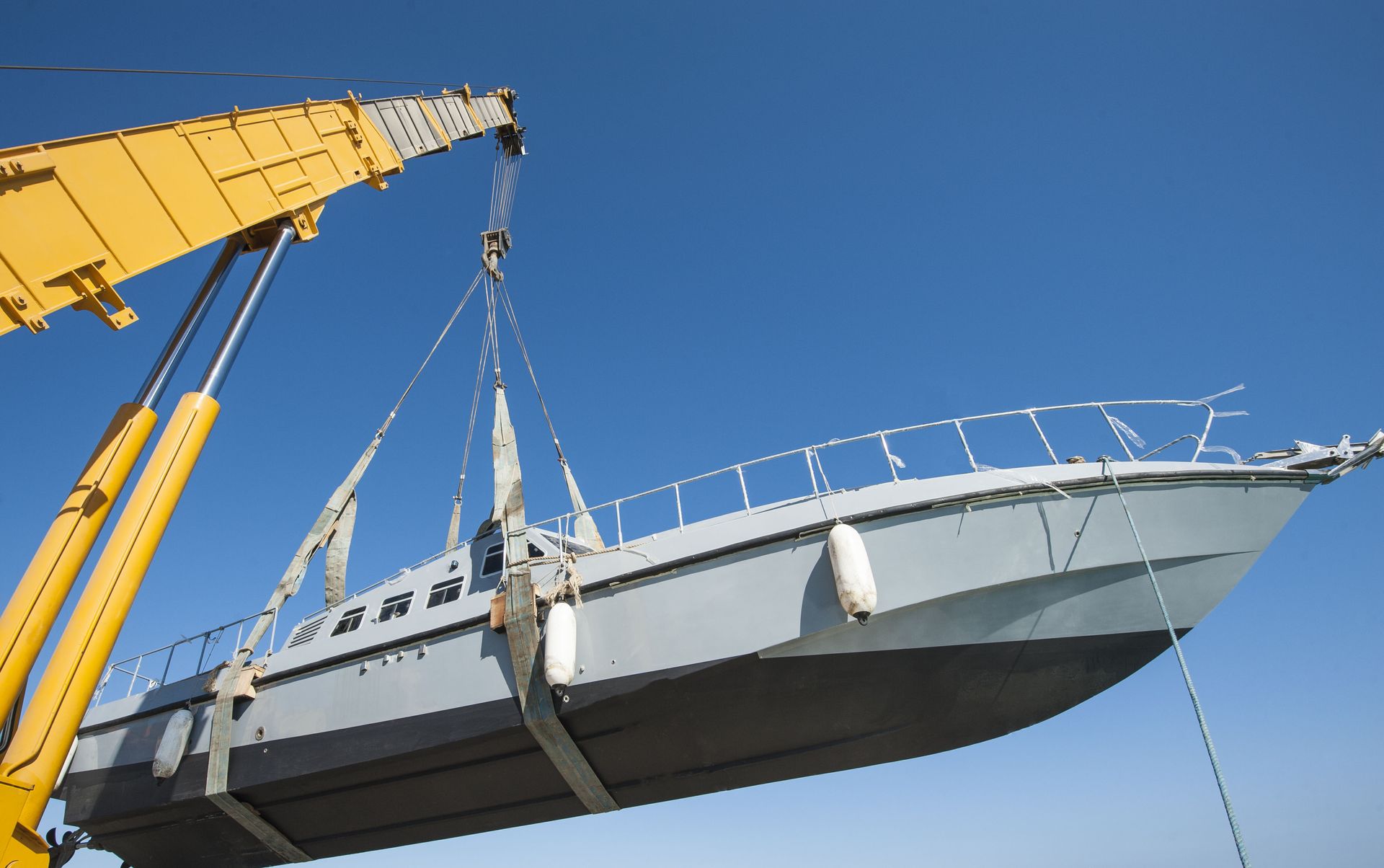
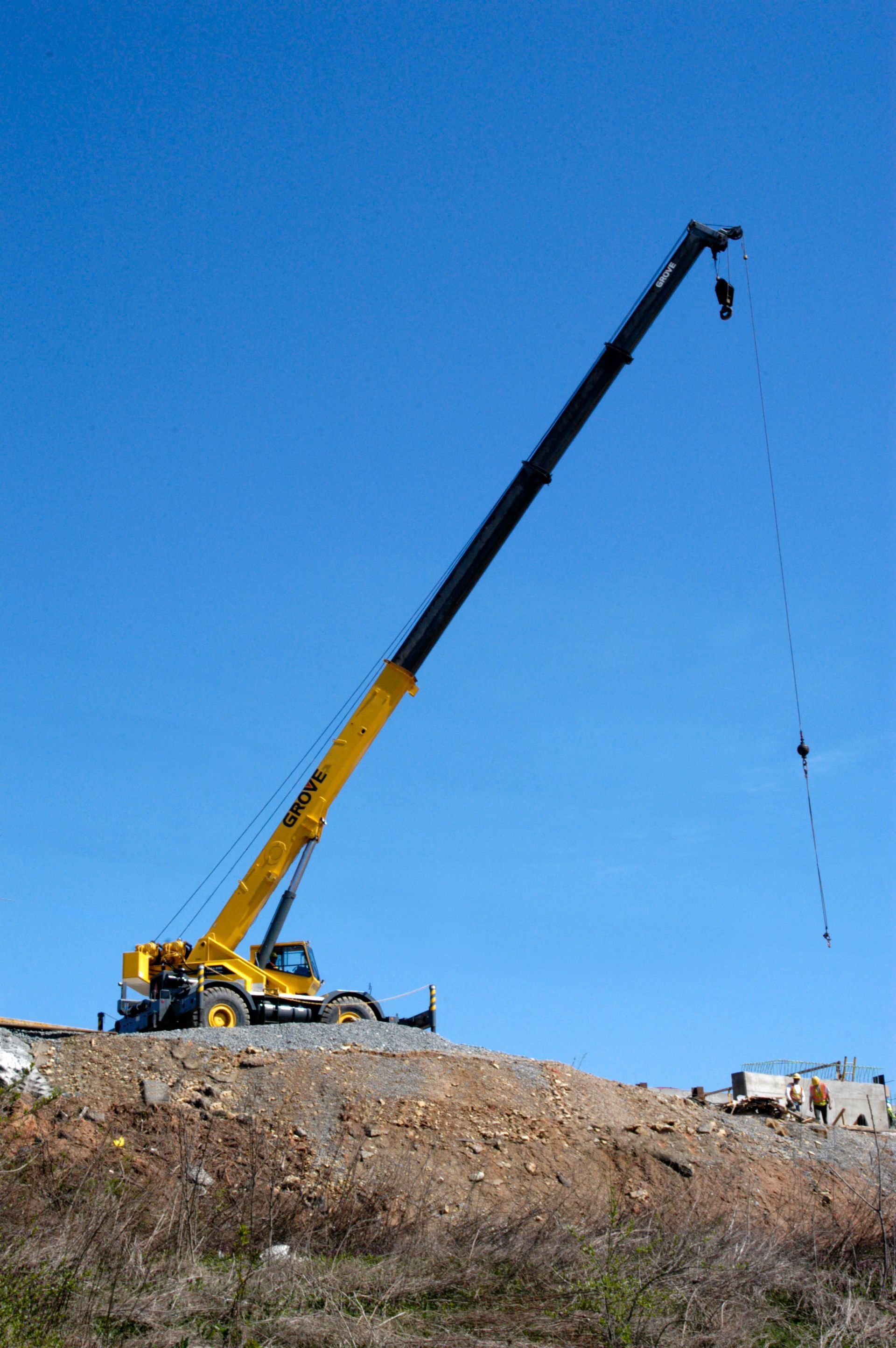
Mobile cranes, for instance, are prized for their flexibility and quick setup times. They’re perfect for projects that require frequent movement or short-term use. Tower cranes, on the other hand, are fixed and ideal for constructing tall buildings or large-scale developments. Rough terrain cranes and crawler cranes are better suited for uneven ground and heavy-duty lifting.
A reputable local crane service can guide you through these options, explaining the pros and cons of each based on your project’s site and goals. They’ll also ensure that the cranes available meet all safety and performance standards. Because local companies often maintain their equipment meticulously and understand the area’s logistics, working with one gives you peace of mind that your rental will perform reliably.
By evaluating your equipment options thoroughly, you set your project up for success—ensuring the crane’s capabilities align perfectly with your needs.
3. Ensuring Safety and Compliance
Safety is non-negotiable in any project involving heavy machinery. A crane’s sheer size and power mean that even minor oversights can lead to serious accidents or costly damage. That’s why one of the most important factors when renting a crane is confirming that every aspect of your operation meets industry safety and compliance standards.
Always verify that the crane you’re renting has up-to-date inspection and maintenance records. Ask for documentation showing that it complies with OSHA standards and local safety regulations. Furthermore, ensure the crane operator holds proper certifications and has experience operating the type of crane being rented. A local crane service often has certified operators familiar with the region’s safety codes, making it easier to maintain compliance throughout the project.
Modern cranes also come equipped with advanced safety features such as overload indicators, anti-collision systems, and emergency stop functions. Discuss these details with your rental provider to understand how each feature contributes to overall safety.
By prioritizing safety and compliance, you’re not just protecting your team—you’re safeguarding your entire investment.
4. Managing Costs and Budgeting
Budgeting for a crane rental requires more than just comparing hourly rates. While cost is always a primary consideration, understanding what’s included in that price helps prevent unpleasant surprises later. Rental rates can vary depending on the crane type, lifting capacity, rental duration, and additional services.
In many cases, working with a local crane service can help you manage costs more effectively. Local companies often offer flexible pricing structures and reduced transportation fees, especially if your project site is nearby. They may also include maintenance and operator costs in a single, transparent quote. It’s wise to ask about deposits, delivery fees, insurance requirements, and fuel charges to get a complete picture of the total expense. Comparing quotes from multiple providers is also beneficial, but remember that the cheapest option isn’t always the best. Reliability, service quality, and equipment condition are worth paying for.
5. Coordinating Logistics and Scheduling
Efficient logistics and scheduling can make or break your project timeline. A crane is a large, powerful piece of machinery that requires careful coordination from delivery to setup and operation. Before renting, confirm how and when the crane will arrive at your site, how long assembly will take, and whether there are any restrictions on delivery hours or access routes.
A local crane service is particularly advantageous in this area because of its proximity and familiarity with the local infrastructure. They understand traffic conditions, permit requirements, and terrain challenges, making it easier to coordinate deliveries and setup efficiently.
Weather conditions are another logistical concern. Rain, wind, and temperature fluctuations can all affect crane operation. Planning with flexibility and maintaining open communication with your rental company ensures minimal downtime and safer operations. Proper scheduling allows for efficient use of manpower and machinery, ultimately saving time and money while maintaining productivity.
6. Assessing Insurance and Liability Coverage
Insurance is often overlooked but plays a critical role in crane rental decisions. When dealing with heavy equipment and large projects, accidents—though rare—can have significant financial implications. Before finalizing your rental, verify that both your company and the local crane service you’re working with have comprehensive insurance coverage.
This includes liability insurance, property damage protection, and operator coverage. Discuss in detail what each policy covers and identify any gaps that may need supplemental insurance. A transparent conversation about coverage terms will help avoid disputes in the event of an incident.
It’s also important to ensure that your rental agreement outlines who is responsible for maintenance, fuel, and on-site damages. Clarity in these areas can prevent misunderstandings and costly claims. By prioritizing insurance and liability planning, you protect not only your financial interests but also your project’s long-term credibility.
7. Selecting a Reliable Rental Partner
Ultimately, the success of your crane rental experience hinges on the company you choose to work with. Selecting a local crane service that has a strong reputation, reliable equipment, and proven customer satisfaction can make a world of difference. Look for a company with years of experience, positive client reviews, and transparent communication practices. Reputable providers will take the time to understand your project, answer questions, and recommend the best equipment for your goals. They should also offer 24/7 support, ensuring that help is available whenever needed.
The human element—trust, professionalism, and customer care—sets great companies apart. Working with a dependable partner doesn’t just get the job done; it builds confidence that your project is being handled by experts who care about your success as much as you do. Renting a crane isn’t just a logistical decision—it’s a strategic one. From understanding your project’s requirements to selecting the right partner, every step plays a role in ensuring safety, efficiency, and cost-effectiveness.
Whether you’re managing a small construction site or a major industrial operation, choosing the right local crane service will give you the edge in completing your project smoothly and safely. Take your time, ask questions, and always prioritize experience, safety, and service quality. When you’re ready to rent with confidence, reach out to Cipully Crane Service—your trusted local partner for reliable crane rentals and expert support every step of the way.

Share On: